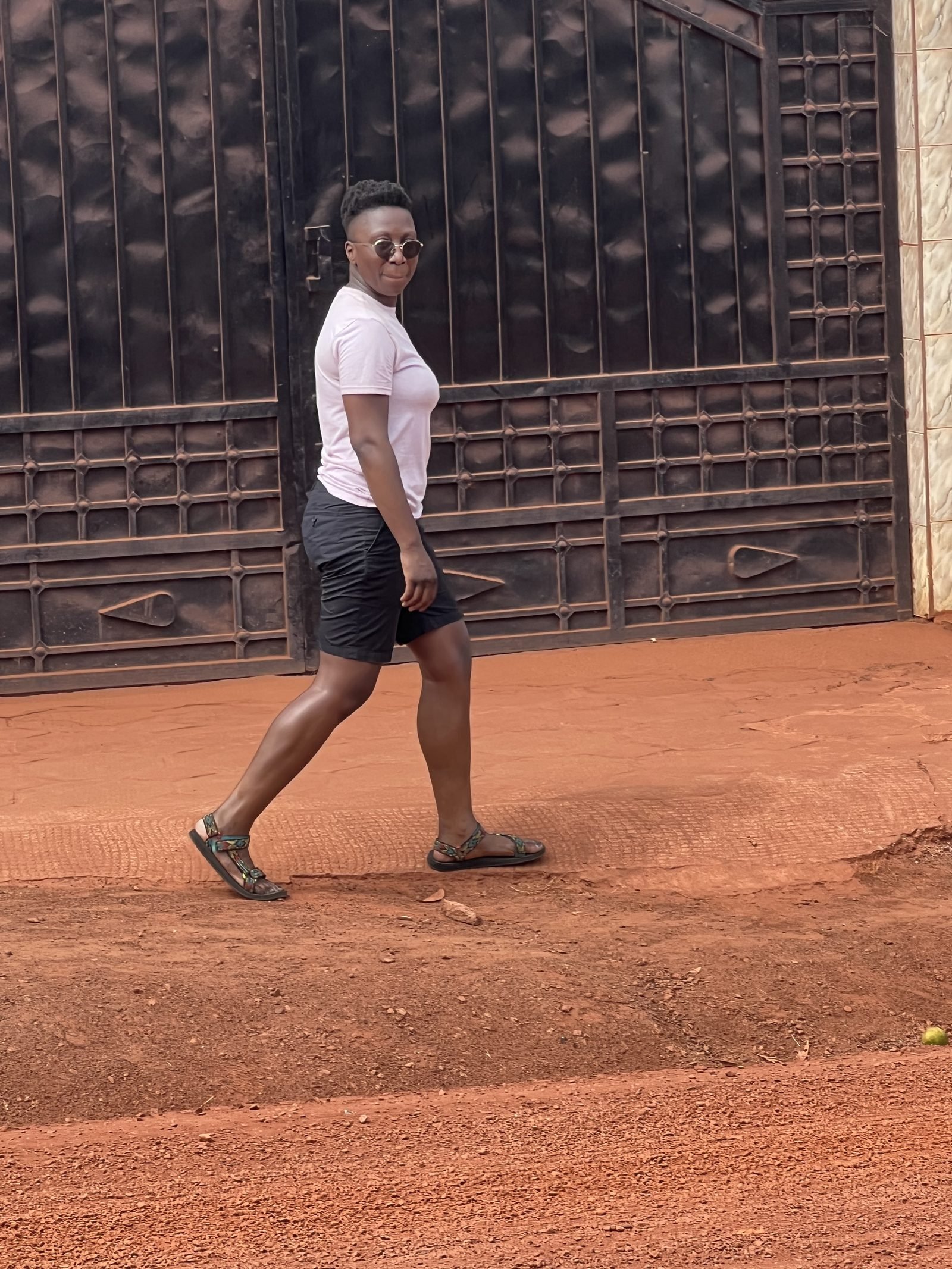
The dirt stopped me before anything else did.
I was standing in Guinea, 2021, my first time ever setting foot in either of my parents' countries, and I bent down and touched the ground without even thinking about it. It wasn't black, the way dirt is back home. It was a deep reddish brown, almost the exact color of my own skin. I said that out loud to the family standing around me — this looks like me — and they laughed, because to them it was just dirt. But I'd never seen anything like it. I kept touching it. I think some part of me needed to.
I'd wanted to come for years. My parents couldn't afford it when I was young, so it became one of those things I told myself I'd do once I had the means. Then life happened, the way it does, and it kept getting pushed back. What finally moved me was my brother. He'd been going back to Liberia regularly — finished his degree in agribusiness, went out, and built something real there. Thousands of acres now. Rubber trees, palm nuts, pineapples, a dozen other things growing on land he turned into a working business. He'd call and tell me how amazing it was, over and over, until I couldn't keep putting it off.
So I went. Alone, right after COVID, as soon as it was safe to travel again.
Guinea gave me family I had never met in my life, and they gave me everything — fed me, walked me through their day to day, took me out to Kassa Island, where slaves were once held before being sent out. I stood on that shore and felt the weight of it the way you can only feel it standing there, not reading about it. I went back a second time, that trip with my dad, and he walked me through the streets where he grew up, pointing things out, telling me what used to be where. Watching him move through his own childhood was its own kind of gift.
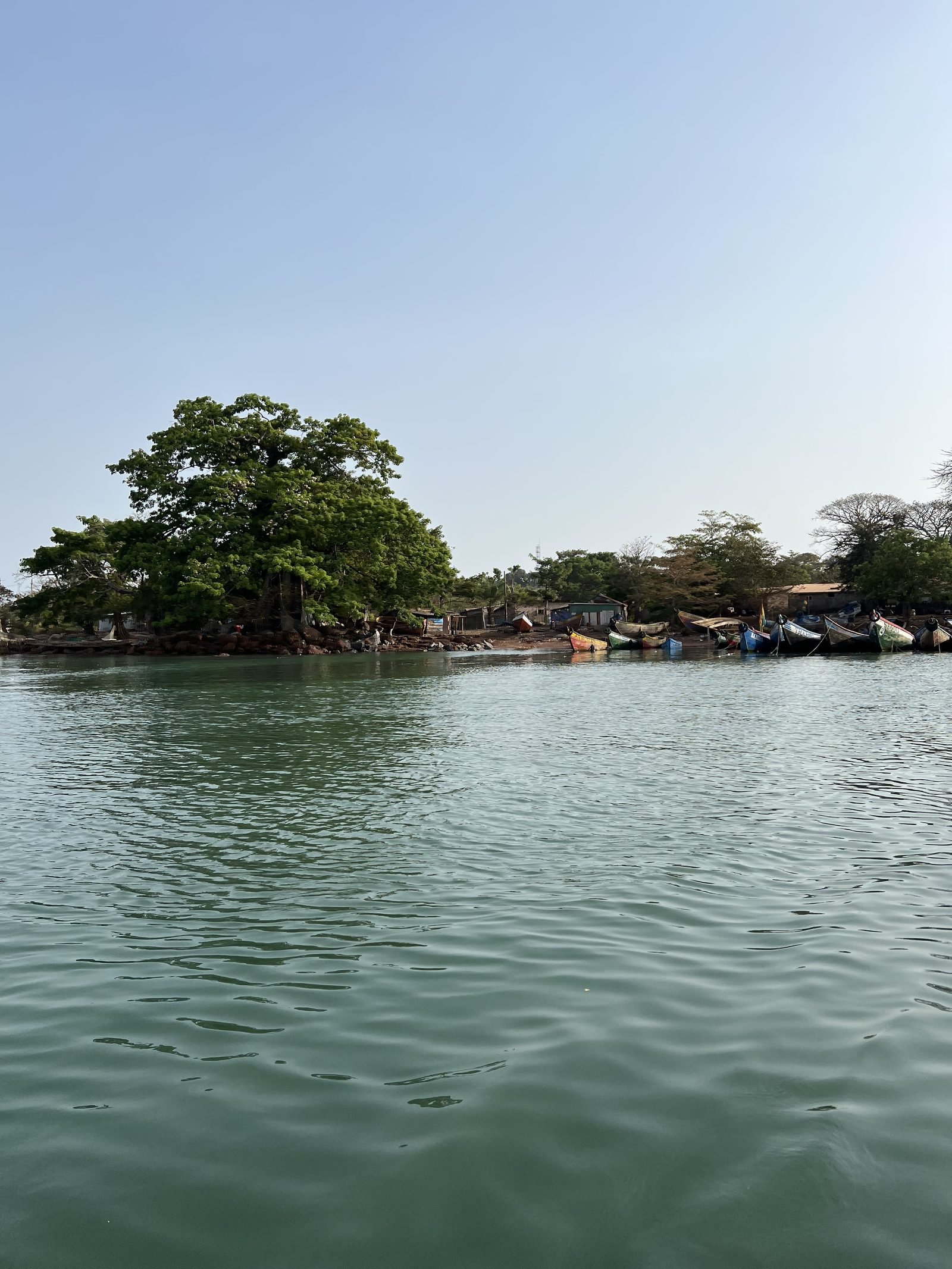
Liberia came the following year. That trip was different before I even landed.
When I was a kid, my grandmother was here in the U.S. while Liberia tore itself apart in one of the longest civil wars in modern history. I didn't understand the severity of it then — I just remember the sound of her on the phone late at night, crying, telling family back home to be careful, to stay low, to just stay safe. That's the sound I associated with Liberia growing up. Not a place. A worried voice in another room.
My mother left in the seventies, when the country was still thriving — Firestone running one of the largest rubber operations in the world there, real infrastructure, real momentum. Then the war came and took it apart piece by piece.
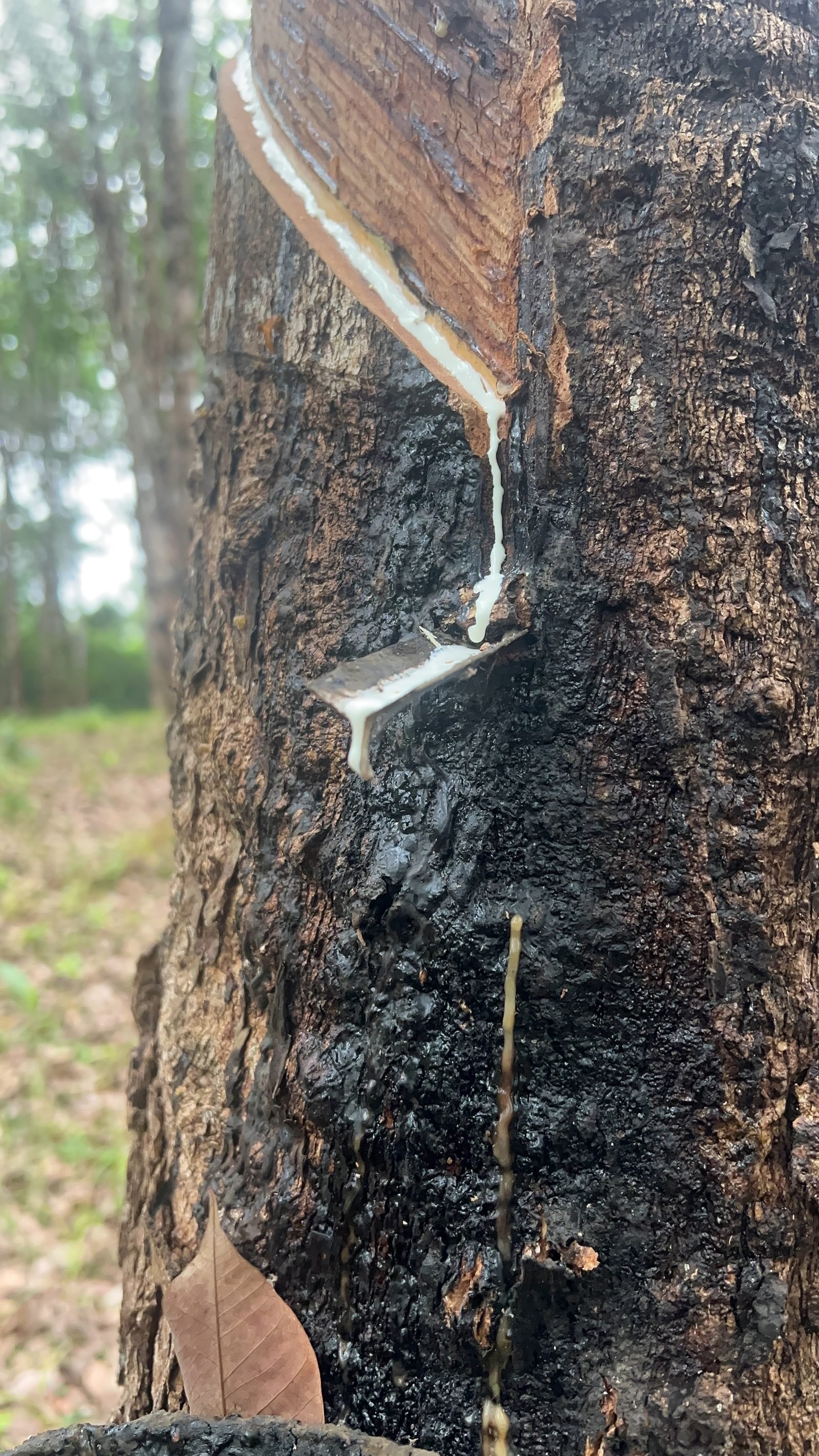
I flew in alone in 2022, my brother already living there waiting for me, and the first thing I saw was what the war left behind. People without basic necessities. In 2022. I kept thinking, why. Why is this still the case. Why has it taken this long.
But underneath that, the beauty hadn't gone anywhere. The sun hit my skin different there — warmer, or maybe just more familiar. Every time my feet touch ground in Africa, something in me settles that doesn't settle anywhere else. The vegetation, the food, the way people moved through their days — all of it was exactly what I didn't know I'd been missing my whole life.
My brother took me out to Grand Bassa, where his land is. Standing on it, seeing what he'd actually built with his own hands, something clicked into place for me. This wasn't a story he was telling me over the phone anymore. It was real, it was working, and it meant the same thing could be done again.
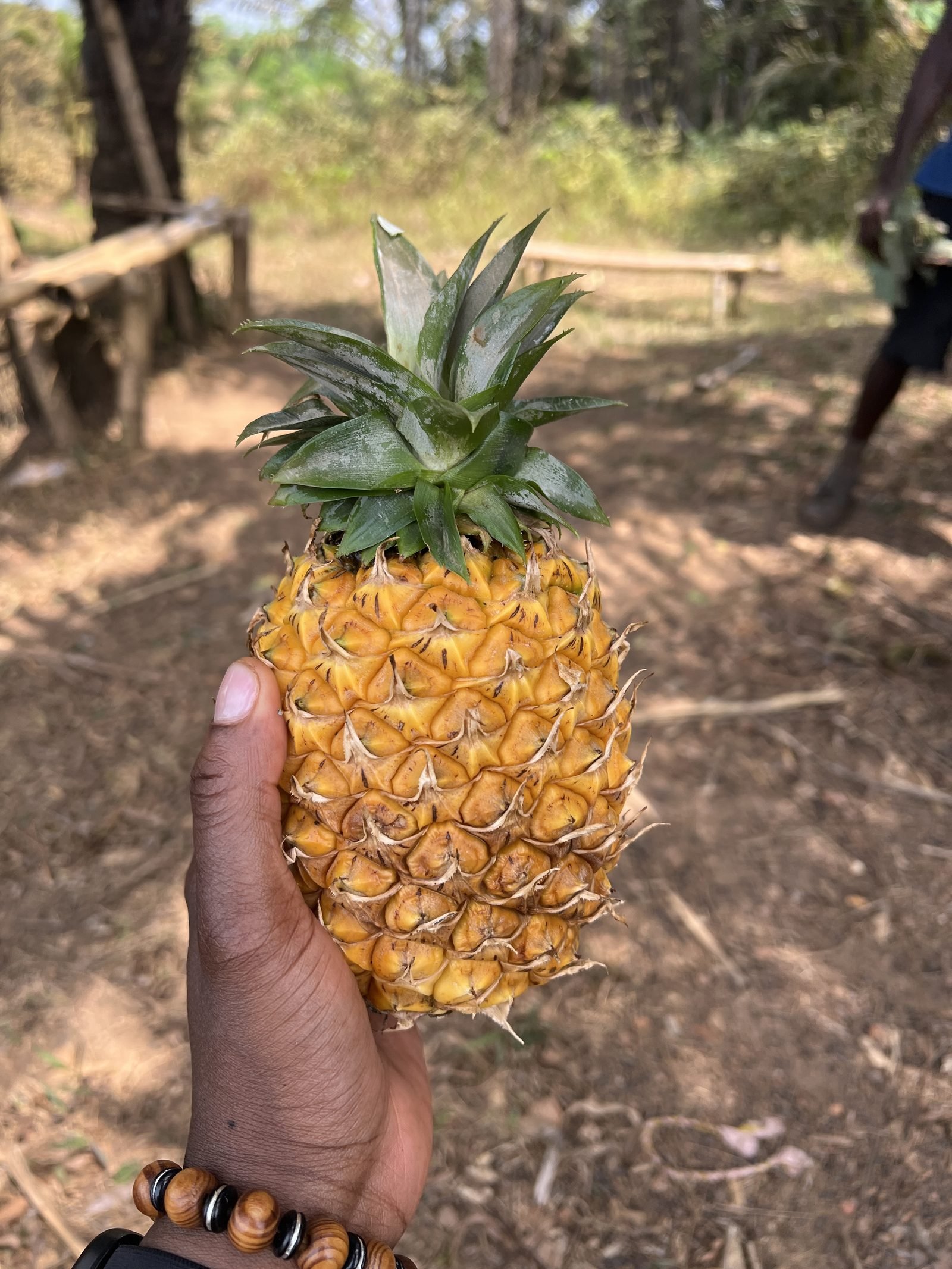
He handed me the first pineapple ever grown on that land. I bit into it right there. It was the most amazing pineapple I have ever had in my life — perfectly ripe, juicy, sweet, refreshing in a way that made every grocery store pineapple I'd eaten before feel like a different fruit entirely. That's what the land could do, the first time anyone asked it to.
We went deep into the jungle from there, deeper than I'd been anywhere, to meet the Grand Bassa people. No electricity out there. No cell signal. None at all. They welcomed us like family they'd been expecting. They held a ceremony and inducted me right there on their land, walked us through it, told us their stories one after another.
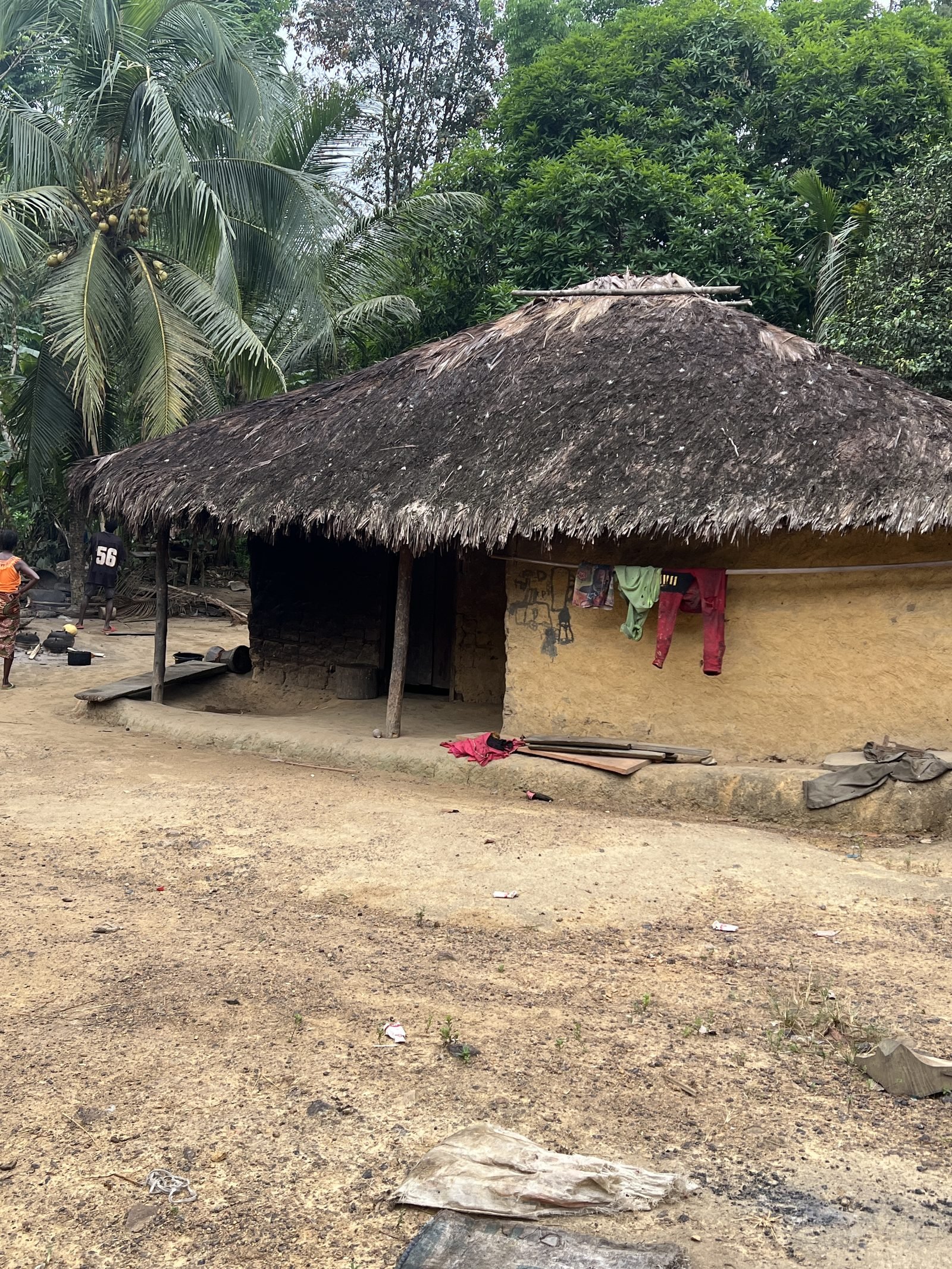
One woman took me into where she slept. There was no bed — just palm leaves laid across a dirt floor, no light once the sun went down, nothing. She told me plainly: I need a bed. Not asking for sympathy. Just saying it the way you'd mention the weather. That was her reality, stated flat.
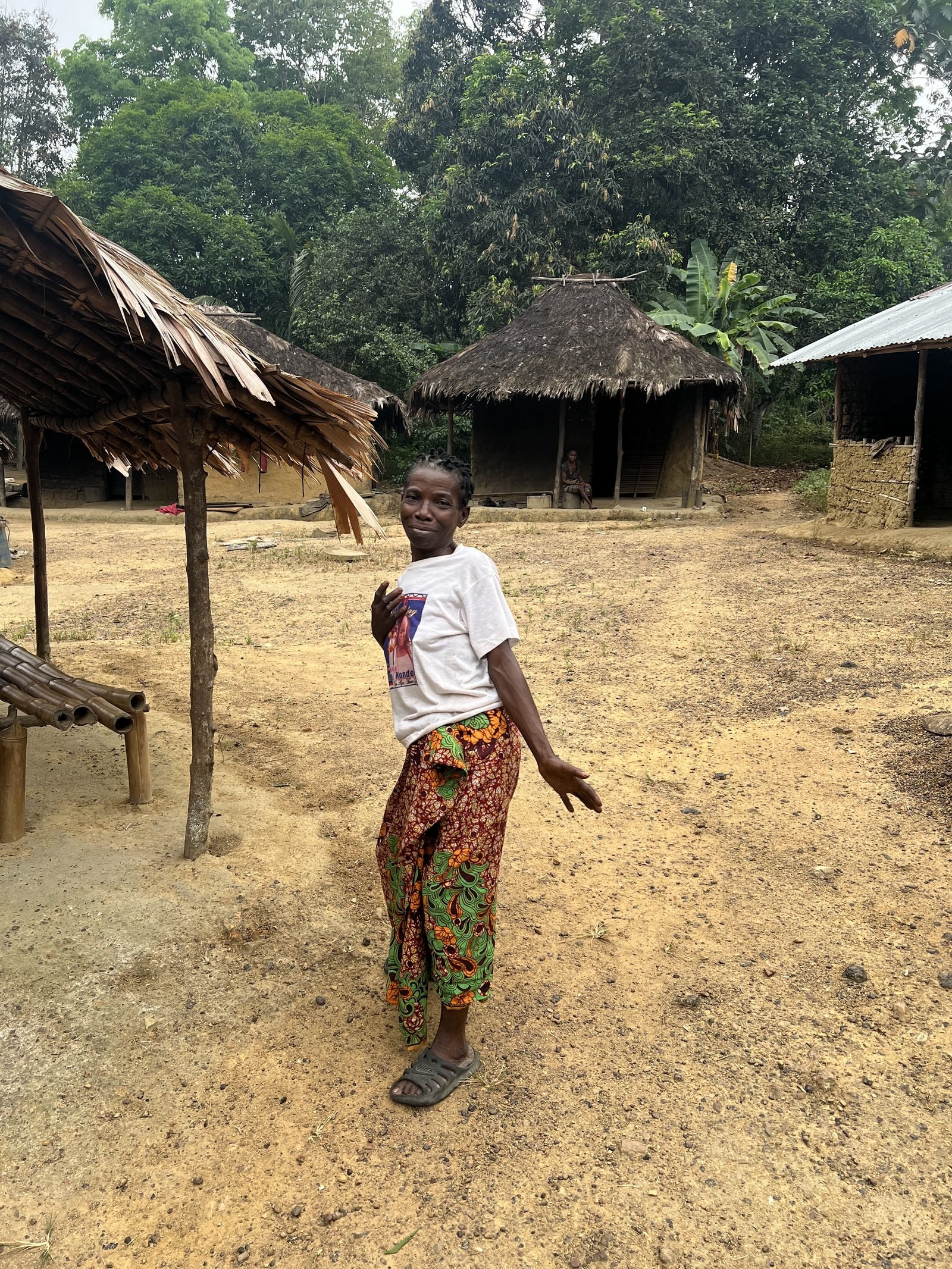
I knew right there I had to do something. I didn't know yet what that would become. I just knew I couldn't see that and walk away like I hadn't.
That same trip I learned the community didn't have rice — and rice is the staple there, one of the main starches across West Africa, across Liberia especially. It wasn't that the land couldn't grow it. It was access. No jobs, no way to earn the money to buy it. So they grew what they could on their own land, gathered what they could, sold a little extra at markets when there was any, ate what they grew and caught. That kept them alive. But rice they didn't have. Before we left, we bought every large bag of it we could carry and brought it back to the people who had just spent their day showing us what was possible on their land.
My parents came to America chasing the American dream. Standing in that jungle, I understood there's a second phase to that dream that nobody really talks about — the kids born here going back to where their parents came from, and building something there. Not leaving America behind. Building a bridge back. This is where our roots are. I don't want to see our people suffer. They deserve a good life, the same as anyone, and the country has everything it needs to thrive. It always has.
That's where this started. Not in a business plan. In a bag of rice, handed to people who had already given me more than I could ever repay.